What Is an All-in-One POS Terminal?
What Is an All-in-One POS Terminal?
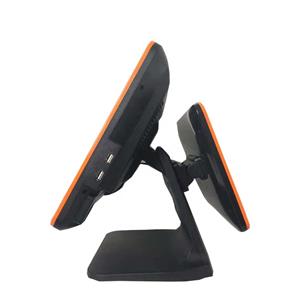
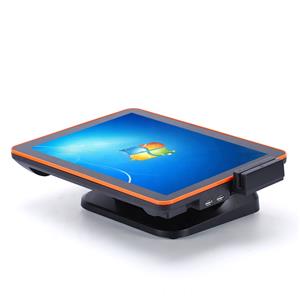
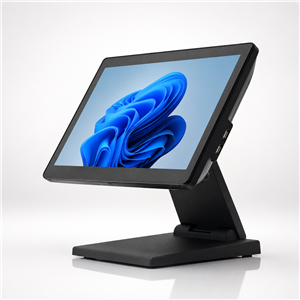
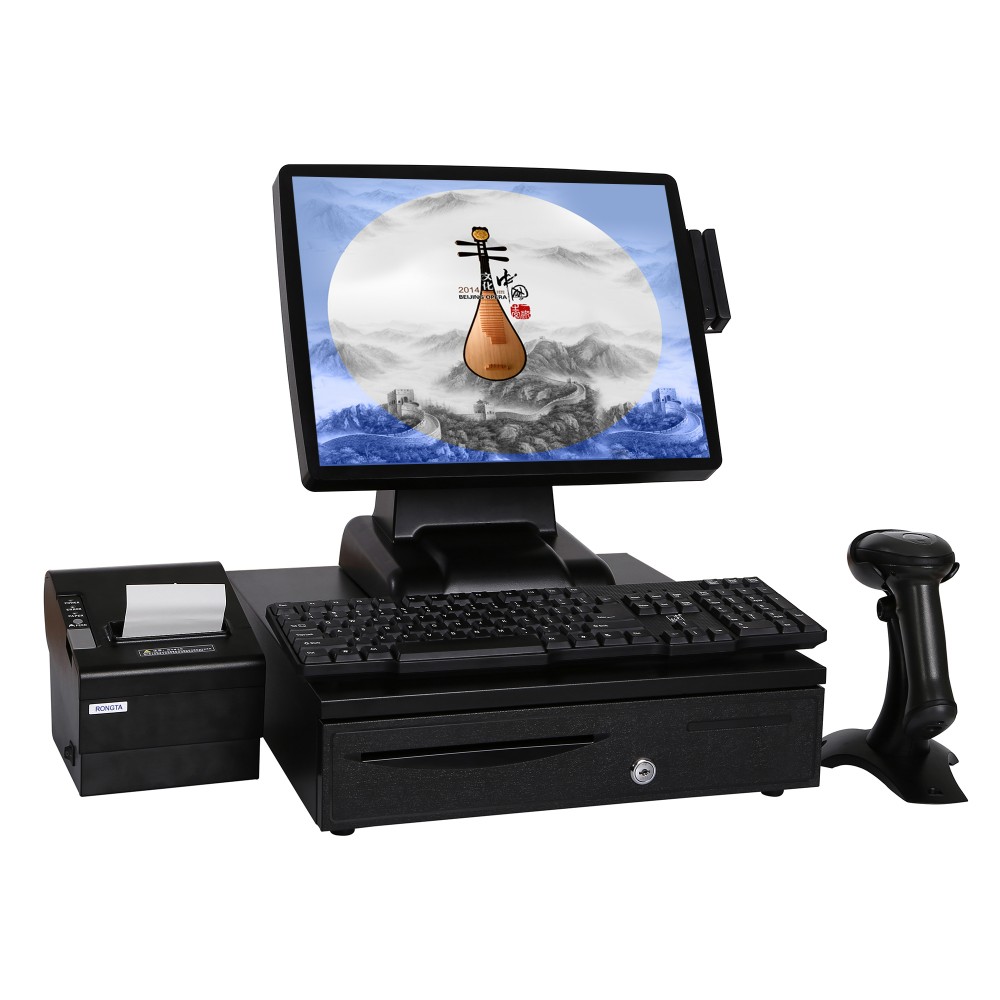
An all-in-one POS terminal is a hardware device used for checkout, order processing, sales management, and daily store operations. It usually combines a touch screen, main computer board, storage, memory, and multiple connection ports in one integrated machine.
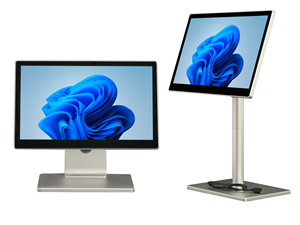
Compared with a traditional cash register or a separate computer setup, an all-in-one POS terminal is designed to save space and make the counter area cleaner. It is commonly used in retail stores, restaurants, supermarkets, cafés, salons, pharmacies, and other service businesses.
A typical all-in-one POS terminal includes a touch display, CPU, RAM, storage, power supply, and interfaces for external devices. Depending on the project, it may connect with receipt printers, barcode scanners, cash drawers, customer displays, payment terminals, kitchen printers, or KDS systems.
POS terminals can support different operating systems. Windows POS terminals are often used with traditional POS software, ERP systems, and projects that require strong peripheral compatibility. Android POS terminals are often used in lighter applications, cloud-based software, or mobile ordering environments.
Screen size is also an important factor. Common POS terminal sizes include 11.6 inch, 12.1 inch, 15 inch, and 15.6 inch. For retail and restaurant counters, 15 inch and 15.6 inch models are widely used because they provide a clear display area while still fitting most checkout spaces.
The material of the POS terminal may vary by model. Some products use plastic housing to reduce cost, while others use aluminum alloy or metal structures for better durability and a more premium appearance. The choice depends on the usage environment, budget, and brand positioning.
For many projects, hardware consistency is important. If the same POS software is installed across multiple stores, using stable and consistent hardware can help reduce compatibility testing, installation differences, and maintenance work.
When selecting an all-in-one POS terminal, buyers usually consider several factors, including operating system, CPU performance, memory, storage, touch screen quality, display resolution, interface design, mounting method, delivery time, and after-sales support.
In practical use, a POS terminal is not only a checkout device. It is part of the store operation system. A suitable POS hardware solution can help software providers, distributors, and business owners build a more stable and organized working environment.
Note: This article reflects general industry observations and is for reference only.
Editor: Iris
Qingwu Electronic Technology Co., Ltd.