Rising SSD and NAND Prices: What It Means for POS Terminal Procurement
Rising SSD and NAND Prices: What It Means for POS Terminal Procurement
JulyWritten by Iris
SSD and NAND prices are still under noticeable upward pressure. According to recent industry reports, this price movement is not simply a short-term adjustment from individual suppliers, but the result of several combined factors, including AI server demand, data center expansion, enterprise SSD procurement, and changes in NAND production allocation.
Market research indicates that NAND Flash contract prices are expected to rise significantly in Q2 2026, while enterprise SSD demand has also grown rapidly. This shows that AI and cloud service customers are locking in more high-capacity and high-performance storage resources. As a result, client SSDs and standard storage products used in commercial hardware may also be indirectly affected.
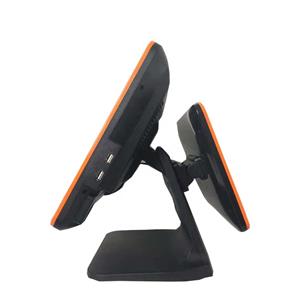
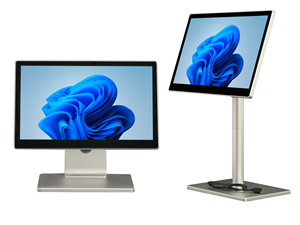
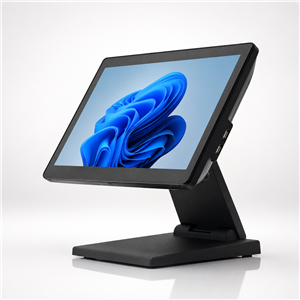
For POS terminals, SSD is only one component inside the whole system, but it directly affects system boot speed, software operation, data reading and writing, and long-term stability. This is especially important for Windows POS terminals commonly configured with 128GB or 256GB SSDs. Although the specification may look similar on paper, the actual SSD quality can vary depending on brand, NAND grade, controller, inventory age, supply channel, and testing standards.
During a price fluctuation cycle, quotation differences between suppliers often become more obvious. Some lower prices may come from early inventory preparation, which is normal. However, other low prices may come from unstable channels, old inventory, lower-grade components, or insufficient testing procedures. For buyers, the key risk is not low price itself, but whether the price is supported by clear component sourcing, stable batch consistency, and proper whole-machine testing.
From a procurement perspective, buyers may need to pay closer attention to several questions: whether the SSD is sourced from reliable and traceable channels; whether batch orders can maintain consistent configuration; how long the quotation and inventory can be locked; whether samples have passed continuous operation testing; whether the whole POS terminal has undergone burn-in testing; and whether after-sales service covers key components such as SSD, RAM, and motherboard.
For POS software companies, system integrators, and hardware distributors, hardware stability affects more than the cost of a single device. It can also influence project deployment, customer experience, maintenance pressure, and long-term brand trust.
Future price movement will still depend on AI server demand, NAND production capacity, domestic supply chain development, channel inventory, and downstream purchasing rhythm. Even if new capacity becomes available, real price stabilization usually takes time, including production ramp-up, yield improvement, inventory adjustment, and market validation.
Therefore, in the short term, the more practical procurement strategy is not simply to search for the lowest price, but to balance price, delivery time, configuration consistency, and long-term hardware stability.
Reference Link:
https://www.trendforce.com/presscenter/news/20260331-12995.html
https://www.trendforce.com/presscenter/news/20260525-13058.html